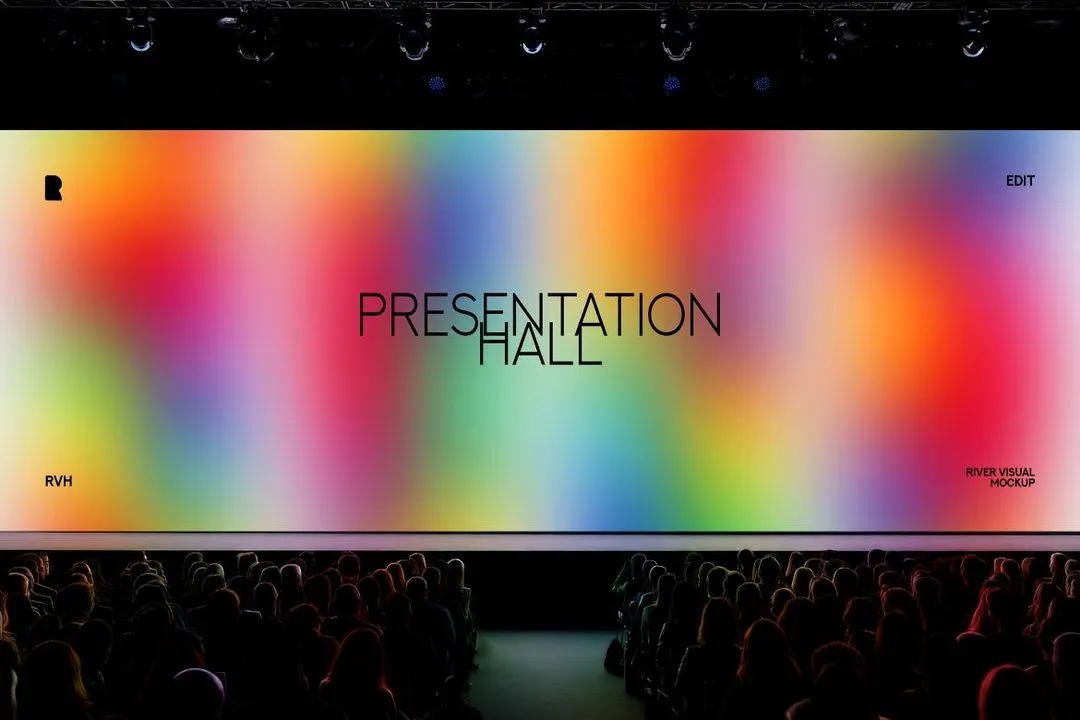
A Brand System Should Be Built to Hold Growth











A brand can look incredibly consistent when three people are touching it.
The founder knows which words feel wrong. The designer remembers why a particular type treatment exists. The marketer can ask across the room before publishing something. A surprising amount of quality is being held together by proximity and memory.
Then the company grows.
A new team needs a sales deck. Product is adding screens. Recruiting is making hiring material. An agency is building a campaign. Someone duplicates last year's presentation and changes the colors. None of the individual decisions seem serious enough to call a brand problem.
Six months later, the company looks like five related companies.
A brand system is an operating system
Style guides are useful, but a real brand system has to carry more than visual rules.
It includes positioning, messaging principles, voice, visual identity, interaction patterns, design components, templates, governance, and the reasoning that helps people know when to use what.
That last part matters.
A collection of approved assets can tell a team what already exists. A system helps them create something new without losing the brand in the process.
Systemize what people repeat
The easiest way to find where a system is needed is to watch what the organization keeps rebuilding.
Presentations. Landing pages. Product interfaces. Sales materials. Social graphics. Hiring documents. Campaigns. Internal announcements. Customer emails.
If a task happens repeatedly, every person shouldn't have to solve the same foundational decisions from scratch.
That doesn't mean making every output identical. It means removing decisions that don't need to be reinvented so teams can spend attention on the decisions that actually make the work better.
Scale introduces interpretation
Brands usually break down at scale because every new person introduces interpretation.
A designer sees the system and emphasizes one part of it. A copywriter hears the voice differently. A product manager uses a phrase that makes sense inside the product but conflicts with marketing. An executive modifies the deck because one slide felt too restrained.
Variation is inevitable. The question is whether the organization has enough shared structure to keep that variation connected.
Without it, consistency depends on a few people catching everything. That isn't scale. It's quality control through exhaustion.
Principles create more freedom than rules
Overly rigid systems create a different problem. The team follows the rules, but the work goes flat.
We prefer systems that define principles strongly enough to create recognizable behavior while leaving room for teams to respond to context.
A component library can standardize the parts of an interface that shouldn't change every time. Brand principles can explain what visual tension or restraint is trying to accomplish. Voice guidance can define how the company sounds without turning every sentence into a fill-in-the-blank template.
The best systems create freedom by removing ambiguity.
Build for the company after this one
A useful brand system shouldn't only solve the current website or campaign.
It should help the organization make work that hasn't been imagined yet.
That's the real test of scalability. When a new team, product, channel, or partner arrives, can they understand the logic well enough to extend it?
If they can, the brand stops being something a small creative team protects manually.
It becomes organizational capability.
Governance keeps the system alive
A system can be thoughtfully designed and still decay if nobody knows how decisions get made after launch. Who can create a new component? What happens when a campaign needs to break a visual convention? Who updates the messaging framework when the product changes?
Governance doesn’t need to mean committees and approval chains. Often it’s much simpler: clear ownership, a place for current assets, a lightweight review rhythm, and enough documentation that contributors know when they’re extending the system versus creating an exception.
The goal is to keep the brand alive without making it fragile. A healthy system should absorb new ideas, channels, and people while staying recognizable. If every evolution requires starting over, the system was never really built for growth.
The system should make ordinary work better
The value becomes obvious in unglamorous moments. Someone has to build a deck by tomorrow. A product team needs a new empty state. Recruiting needs a careers page. A partner asks for a co-branded asset.
If the system is healthy, those requests don’t trigger a miniature identity crisis. The team has enough shared language, components, and principles to make something appropriate quickly. That day-to-day confidence is one of the clearest signs that the brand has become useful infrastructure rather than a presentation about itself.


Stay Updated
Join our newsletter to receive updates from the people, products, and ideas shaping the work Truesight is building toward.






.webp)
.webp)